Articles
癌症中的外泌体:小颗粒,大玩家
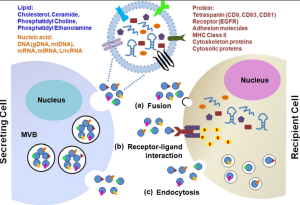
外泌体是一种新型的细胞间通信方式,可以将包括蛋白质、DNA、mRNA以及非编码RNA在内的生物活性分子从一个细胞运输到另一个细胞,进行遗传信息的交换和受体细胞的重编程。越来越多的证据表明,肿瘤细胞释放过量的外泌体,这可能会影响肿瘤的产生、生长、增殖、转移和耐药性。此外,外泌体将信息从肿瘤细胞转移到免疫细胞和基质细胞,有助于逃避免疫监视和形成肿瘤生态位。

外泌体是一种新型的细胞间通信方式,可以将包括蛋白质、DNA、mRNA以及非编码RNA在内的生物活性分子从一个细胞运输到另一个细胞,进行遗传信息的交换和受体细胞的重编程。越来越多的证据表明,肿瘤细胞释放过量的外泌体,这可能会影响肿瘤的产生、生长、增殖、转移和耐药性。此外,外泌体将信息从肿瘤细胞转移到免疫细胞和基质细胞,有助于逃避免疫监视和形成肿瘤生态位。
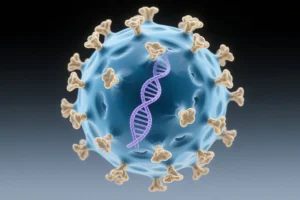
AAVs are promising gene therapy vectors due to their small size and favorable safety profile. However, accurately characterizing these sub-50 nm particles remains a major
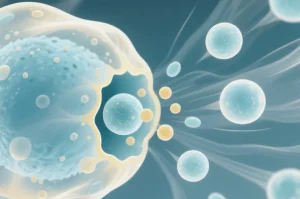
Recently, NanoCoulter™ has gained growing recognition in exosome research, with multiple studies validating its analytical strengths. Below are highlights from several key publications.
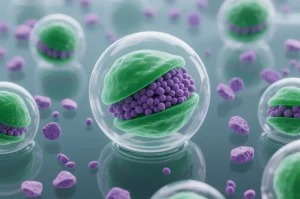
In the fields of nanotechnology and materials science, particle size distribution (PSD) is a critical parameter that directly influences the performance and applicability of nanomaterials.
A recent study employed the NanoCoulter particle analyzer, based on resistive pulse sensing (RPS) technology, to comprehensively evaluate five commonly used EV isolation methods, providing